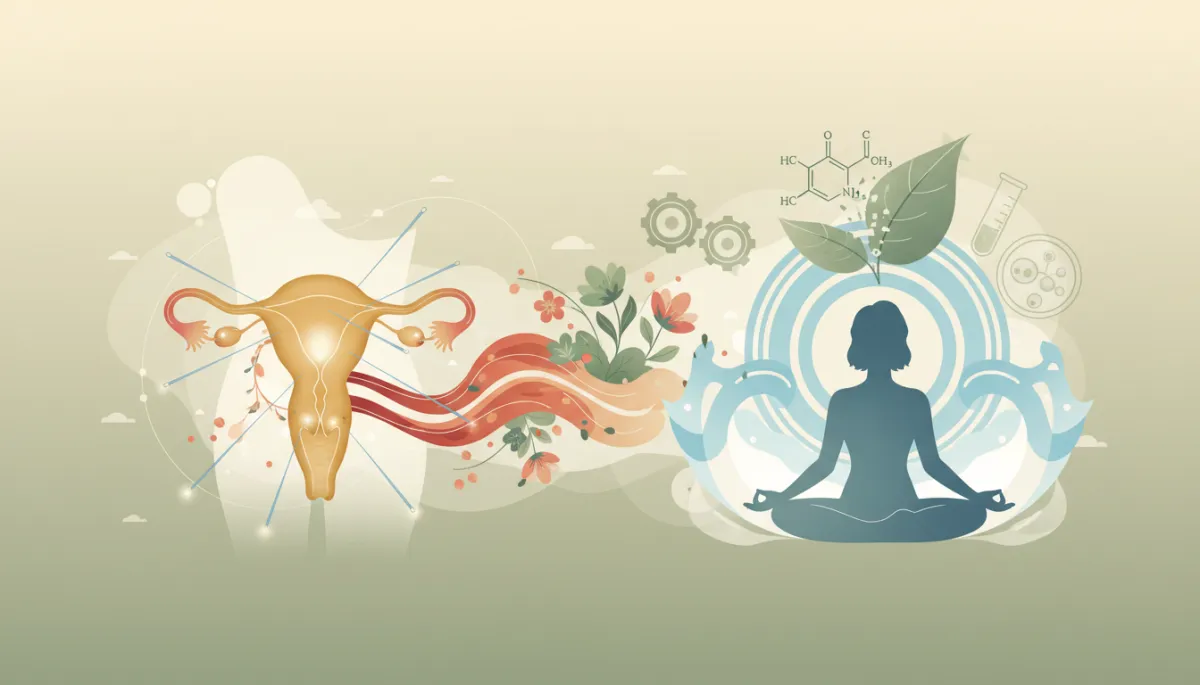
How Acupuncture Enhances Fertility & Reproductive Health
Fertility, Acupuncture, Reproductive Health, Holistic Care, IVF Support
Understanding the Connection: How Acupuncture Aids in Fertility and Reproductive Health
For many individuals and couples, the fertility journey can be deeply emotional, medically complex, and filled with questions. Acupuncture, rooted in Traditional Chinese Medicine (TCM), is increasingly chosen as a gentle, evidence-informed complement to modern fertility care. Whether you are exploring holistic support for the first time or studying integrative reproductive medicine at a graduate level, understanding how acupuncture influences blood flow, hormones, and stress physiology can clarify its role in reproductive health.
A TCM Perspective on Fertility and Reproductive Balance
In Traditional Chinese Medicine, fertility is viewed as a reflection of the body’s overall balance and vitality. Rather than isolating the ovaries, uterus, or testes as separate systems, TCM considers the interplay of Qi (vital energy), blood, and organ systems such as the Kidney, Liver, and Spleen. From this lens, reproductive challenges may arise when circulation is impaired, hormonal rhythms are disrupted, or emotional stress constrains the smooth flow of Qi and blood.
Acupuncture uses very fine, sterile needles placed at specific points to nudge the body back toward equilibrium. Modern research increasingly aligns with this traditional understanding, suggesting that acupuncture may influence neuroendocrine pathways, vascular function, and stress responses that are all central to reproductive health.
Enhancing Blood Flow to the Reproductive Organs
Adequate blood flow to the ovaries, uterus, and endometrium is essential for follicle development, implantation, and sustaining a healthy pregnancy. From a biomedical standpoint, improved circulation supports oxygen delivery, nutrient transport, and efficient removal of metabolic byproducts. TCM has long emphasized the importance of “nourishing the blood” and resolving stagnation in the pelvis to support conception.
Acupuncture appears to influence vascular tone through the autonomic nervous system and nitric oxide pathways, which can help increase blood flow to the uterine and ovarian arteries. Clinically, this may translate into a more receptive uterine lining, better follicular development, and improved testicular function in male partners. For patients undergoing assisted reproductive technologies, supporting pelvic blood flow during key phases of the cycle is often a central goal of fertility-focused acupuncture protocols.
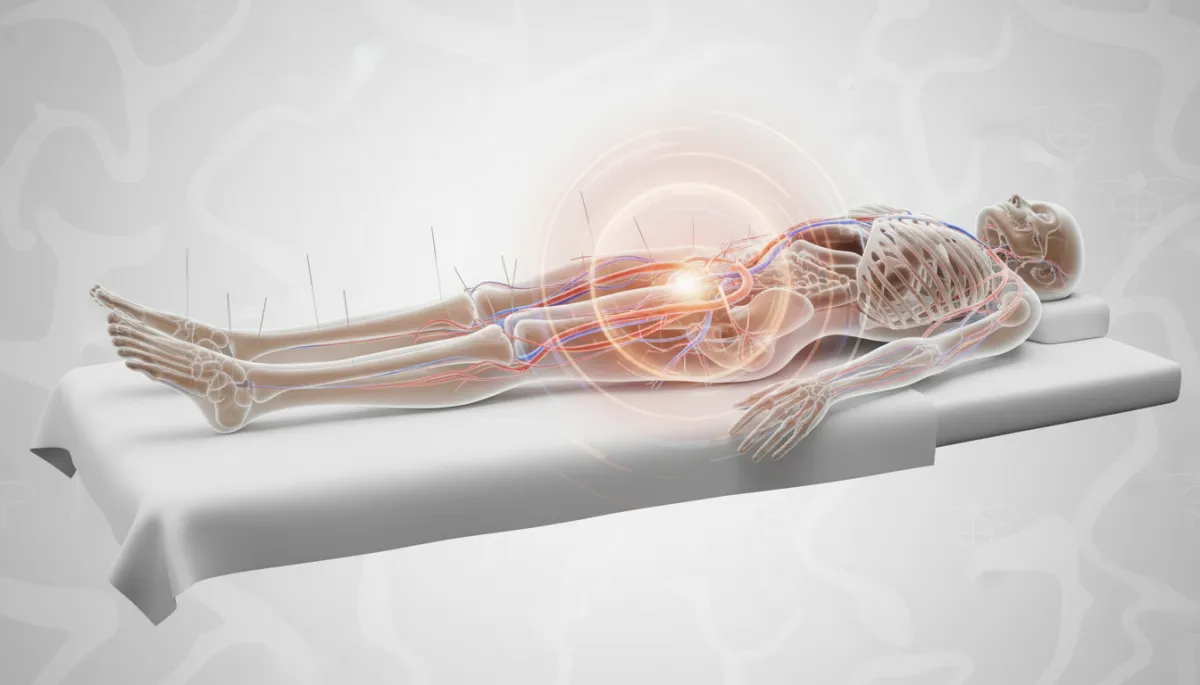
Targeted acupuncture can support healthy pelvic circulation, a key factor in reproductive function.
Regulating Hormones and the Menstrual Cycle
Hormonal regulation is at the heart of reproductive health. Ovulation, endometrial development, and sperm production all rely on intricate communication between the brain, pituitary, and reproductive organs—often referred to as the hypothalamic–pituitary–gonadal (HPG) axis. Disruptions in this axis can contribute to irregular cycles, anovulation, polycystic ovarian syndrome (PCOS), or luteal phase defects.
Emerging studies suggest that acupuncture may modulate the HPG axis by influencing neurotransmitters and neuropeptides that signal hormone release. In practice, patients often seek acupuncture to help regulate menstrual cycles, support ovulation, and balance symptoms such as PMS, painful periods, or mid-cycle spotting. From a TCM perspective, this reflects harmonizing Liver Qi, nourishing Kidney essence, and ensuring that blood is both abundant and flowing freely.
For graduate students and clinicians, this intersection of neuroendocrinology and TCM pattern differentiation is a rich area of study, inviting careful assessment of both laboratory markers and subtle clinical signs such as cycle length, basal body temperature patterns, and cervical mucus quality.
Reducing Stress and Cortisol Levels That Impact Fertility
The emotional weight of trying to conceive can be substantial. Elevated stress is not simply a psychological concern; it has measurable physiological effects. Chronic activation of the stress response can increase cortisol and other stress hormones, which in turn may interfere with ovulation, sperm quality, implantation, and libido. Many patients describe feeling caught in a cycle where fertility worries heighten stress, and stress, in turn, seems to work against their fertility goals.
Acupuncture has been shown to activate the parasympathetic “rest and digest” response and to significantly reduce perceived stress and cortisol levels in many individuals. In the treatment room, this often looks like deep relaxation, slower breathing, and improved sleep following sessions. From a TCM viewpoint, soothing the Shen (spirit) and calming the Heart are inseparable from supporting healthy reproduction. Patients frequently report that acupuncture offers a rare space to feel grounded, heard, and at ease during an otherwise demanding process.
Integrating Acupuncture with IVF and Modern Fertility Treatments
Acupuncture is increasingly integrated alongside in vitro fertilization (IVF), intrauterine insemination (IUI), and other Western fertility treatments. Many reproductive endocrinology clinics now collaborate with acupuncturists or refer patients seeking supportive care. The goals of integrative treatment often include optimizing blood flow to the ovaries and uterus during stimulation, supporting endometrial receptivity before transfer, and managing side effects such as bloating, mood changes, or sleep disruption.
Research protocols have examined acupuncture administered on the day of embryo transfer, as well as regular sessions throughout stimulation cycles. While individual outcomes vary, many patients appreciate having a modality that addresses both physiological and emotional needs. Clear communication between acupuncture providers and fertility specialists helps ensure that treatment plans are coordinated, safe, and tailored to each stage of the medical protocol.
Exploring Holistic Fertility Care at a Teaching Clinic
If you are considering acupuncture as part of your fertility journey, you deserve care that is both compassionate and clinically grounded. Teaching clinics provide a unique environment where supervised student practitioners apply up-to-date TCM theory alongside an understanding of modern reproductive medicine. This model supports high-quality, affordable care while also advancing the next generation of fertility-focused acupuncturists.
ATOM’s student clinic offers a warm, respectful space for individuals and couples at every stage—whether you are just beginning to explore holistic options, navigating an IVF cycle, or seeking support after loss or disappointment. Under the guidance of experienced faculty, student interns take time to listen to your story, review your medical history, and design acupuncture and herbal strategies that align with your goals and current treatments.
You do not have to walk this path alone. If you are curious about how acupuncture might enhance blood flow, support hormonal balance, ease stress, and integrate with your existing fertility care, consider scheduling a visit at ATOM’s teaching clinic. It can be a meaningful step toward feeling more supported, informed, and empowered on your reproductive health journey.