About ATOM
Advancing the practice of acupuncture and
holistic healing through education and clinical excellence.
About ATOM
Insights in Oriental Medicine:
The ATOM Blog
Welcome to the official blog of the Atlantic Institute of Oriental Medicine. Here, we explore the deep traditions and modern integrations of Traditional Chinese Medicine (TCM). Whether you are an aspiring healer looking to pursue a Master’s or DAOM (Doctor of Acupuncture and Oriental Medicine) degree, or a community member seeking affordable, holistic care at our on-campus clinics, our articles offer expert insights into the future of natural medicine.
Acupuncture for Pain Relief in South Florida
Acupuncture, Pain Management, South Florida, Student Clinic
Acupuncture for Pain Management: A Natural Path to Relief
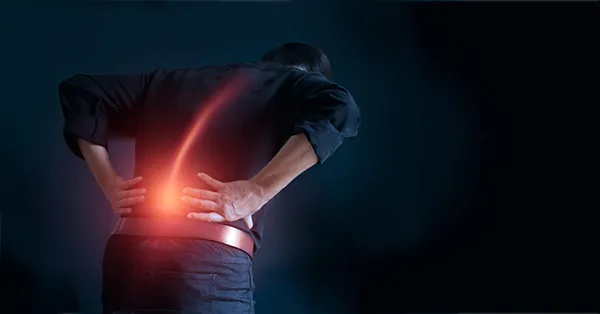
For many people in South Florida, chronic pain is a daily reality—whether it shows up as persistent back pain, debilitating migraines, or the aching stiffness of arthritis. At the same time, a growing number of prospective acupuncture students are looking for safe, effective, and evidence-informed ways to help these patients feel better. Acupuncture sits at the crossroads of Traditional Chinese Medicine (TCM) and modern biomedicine, offering a natural path to relief that is both time-tested and increasingly well understood by science.
How Acupuncture Works: Balancing Qi and Calming the Nervous System
In Traditional Chinese Medicine, pain is often described as a sign that Qi—the body’s vital energy—is not flowing smoothly. When Qi is blocked or deficient, it leads to what practitioners call stagnation. This stagnation can manifest as sharp back pain, throbbing migraines, or the dull, heavy ache of arthritis. Acupuncture uses fine, sterile needles placed at specific points to balance Qi and clear stagnation, restoring harmony in the body’s energetic pathways, or meridians.
From a modern biomedical perspective, these same acupuncture points correspond to areas rich in nerve endings, connective tissue, and microcirculation. When a needle is inserted, it gently stimulates the nervous system, sending signals to the spinal cord and brain. This stimulation helps modulate how pain signals are processed, much like turning down the volume on an overly loud stereo. For prospective students, this integration of Qi theory with neurophysiology is where the art and science of acupuncture truly come together.
Endorphins: Your Body’s Natural Painkillers
One of the most researched effects of acupuncture is its ability to trigger the release of endorphins—the body’s own pain-relieving chemicals. Endorphins are sometimes called “natural opioids” because they bind to the same receptors in the brain as certain pain medications, but without the risks of dependence or drowsiness. When needles are placed and gently stimulated, the brain responds by increasing endorphin production, which can reduce the intensity of pain and promote a deep sense of relaxation and well-being.
For South Florida residents who are wary of stronger medications or who have not found relief from conventional treatments alone, this endorphin release offers a powerful, natural complement. For students learning clinical applications, observing how patients’ breathing slows, muscles soften, and facial tension eases during a session is a vivid, real-world demonstration of these neurochemical changes at work.
Reducing Inflammation in Chronic Back Pain, Migraines, and Arthritis
Beyond pain signaling, acupuncture also influences one of the root drivers of chronic discomfort: inflammation. Research suggests that acupuncture can regulate inflammatory markers in the body, improving circulation and supporting the immune system’s ability to heal tissues rather than overreact to them.
Chronic back pain: By increasing blood flow to tight muscles and spinal structures, acupuncture helps flush out inflammatory byproducts and relaxes spasms. In TCM terms, this “moves Qi and blood” where they have become stuck, easing stiffness and restoring more natural movement.
Migraines: Acupuncture has been shown to reduce the frequency and intensity of migraine attacks. Biomedically, it appears to calm overactive nerve pathways and decrease neurogenic inflammation around blood vessels in the head. From a TCM lens, it helps clear stagnation in the channels that travel to the head, allowing Qi to rise smoothly instead of surging and causing pain.
Arthritis: In arthritic joints, chronic inflammation can damage cartilage and cause persistent swelling and pain. Acupuncture can help regulate immune responses, reduce localized inflammation, and improve joint mobility. TCM practitioners view this as dispersing “bi” (painful obstruction) by moving Qi through the affected joints and clearing dampness and stagnation.
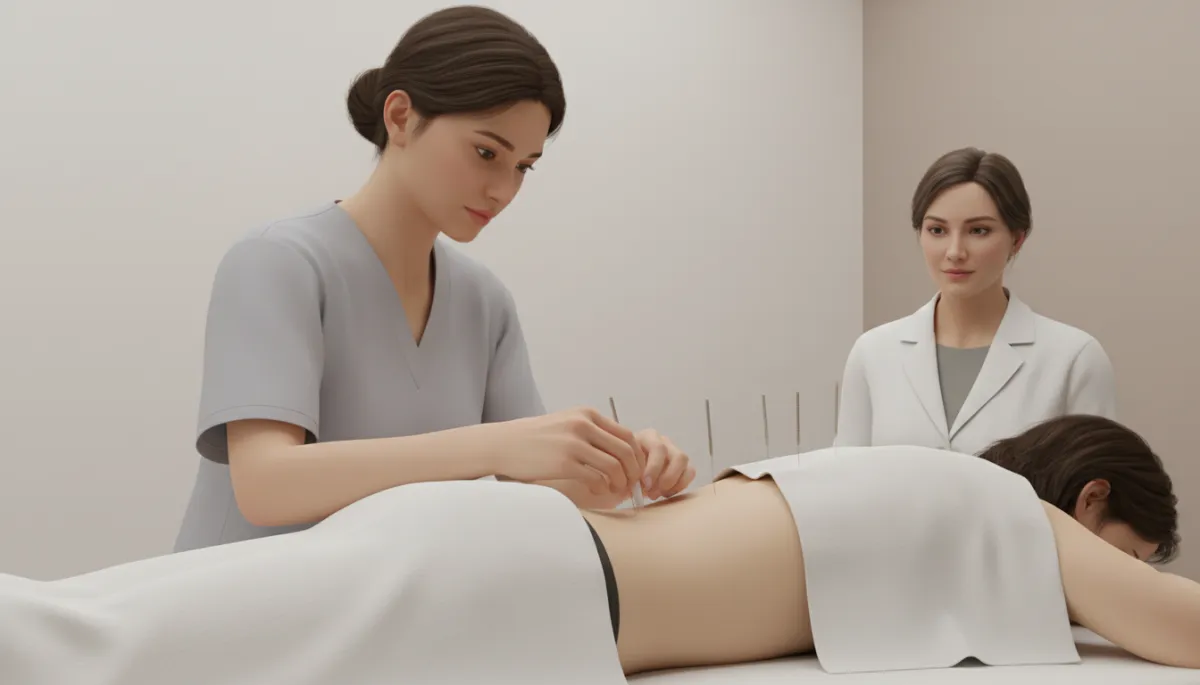
Supervised student treatments can ease chronic back pain while keeping care affordable.
Learning and Healing in a Student Clinic Setting
For prospective acupuncture students, a teaching clinic is where textbook theory becomes real, compassionate care. You learn to assess both the TCM pattern—such as Qi stagnation, blood stasis, or deficiency—and the biomedical diagnosis of back pain, migraine, or arthritis. Treatment plans draw from both perspectives: selecting points to move Qi and clear stagnation, while also targeting nerve pathways, muscle groups, and inflammatory processes relevant to each condition.
For community members, especially here in South Florida, student clinics offer a welcoming, affordable way to explore acupuncture without sacrificing safety. At institutions like the Atlantic Institute of Oriental Medicine (ATOM), student interns are closely supervised by experienced, licensed practitioners. Every needle placement, every treatment strategy, is reviewed to ensure it is both clinically appropriate and tailored to your unique health history and comfort level.
💡 Gentle Reassurance: Most people find acupuncture surprisingly relaxing. The needles are hair-thin, and many patients fall asleep during treatment as their nervous system shifts into a calmer, healing state.
A Compassionate, Science-Informed Option for South Florida
Whether you are a future practitioner drawn to the blend of ancient wisdom and modern science, or a South Florida resident searching for alternatives to long-term medication, acupuncture offers a grounded, evidence-informed path forward. By stimulating the nervous system, releasing endorphins, and reducing inflammation—while also balancing Qi and clearing stagnation—acupuncture addresses pain from multiple angles at once.
You do not have to live at the mercy of chronic back pain, migraines, or arthritis. And you do not have to choose between tradition and science. In a setting like the ATOM student clinic, you can experience the best of both: thoughtful, personalized care that is gentle on your body and your budget, delivered by dedicated student interns under expert supervision.
If you are ready to explore a more natural path to relief—or to see firsthand how acupuncture is practiced in a modern clinical environment—consider scheduling a visit to an affordable student clinic such as the Atlantic Institute of Oriental Medicine. Whether you come as a patient or as a prospective student, you will gain a deeper understanding of how this time-honored medicine can help transform pain into a more balanced, livable life.
“At ATOM, we educate knowledgeable professionals, compassionate caregivers, and lifelong healers.”
Address
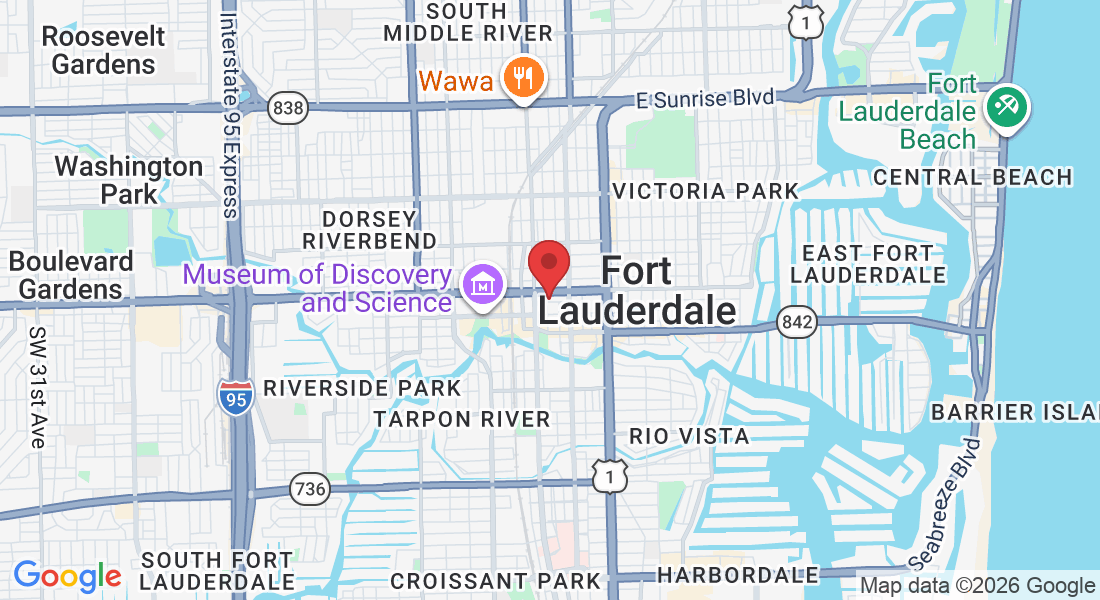
100 E. Broward Blvd, Suite 100
Fort Lauderdale, FL 33301
Phone
954-763-9840
100 E. Broward Blvd, Suite 100
Fort Lauderdale, FL 33301
Quick Links
ATLANTIC INSTITUTE of
ORIENTAL MEDICINE
100 E. Broward Blvd., Suite 100,
Fort Lauderale, FL 33301
ACAHM does not accredit any programs at the undergraduate/bachelor level.
STUDENT LIFE
PATIENT CARE
Hours of Operation
Monday 9am-5pm
Tuesday 9am-9pm
Wednesday 9am-5pm
Thursday 9am-5pm
Friday 9am-5pm
Saturday 9am-5pm
NEWS
LEGAL


© Copyright 2026. Atlantic Institute of Oriental Medicine. All Rights Reserved.